


Skip to content
Papa Corporation

I fix the two or threethings most likelyto break your business.

A one-operator practice out of Miami. AI agents that do the work your team is doing by hand, security operations that hold up under audit, automations that survive a Sunday outage. No account managers, no discovery sprint, no slide deck at the end.

Real EstateFirst permit-portal pull at 06:14. Eight comments waiting.
Receipts
The full file →
$104KCarrying cost the permit agent took off a developer's booksReal estate · 04W26
47Forwarding rules surfaced in one metadata-only sweepFinancial · 217 mailboxes
4 hrRFQ-to-quote on 4,000 SKUs, same team, no extra hiresDistribution · live ERP
00:28From phone-call to incident commander on a SundayLaw firm · weekend takeover

The Ledger

Five entries. Last six months.

  1. Mar
    +218%

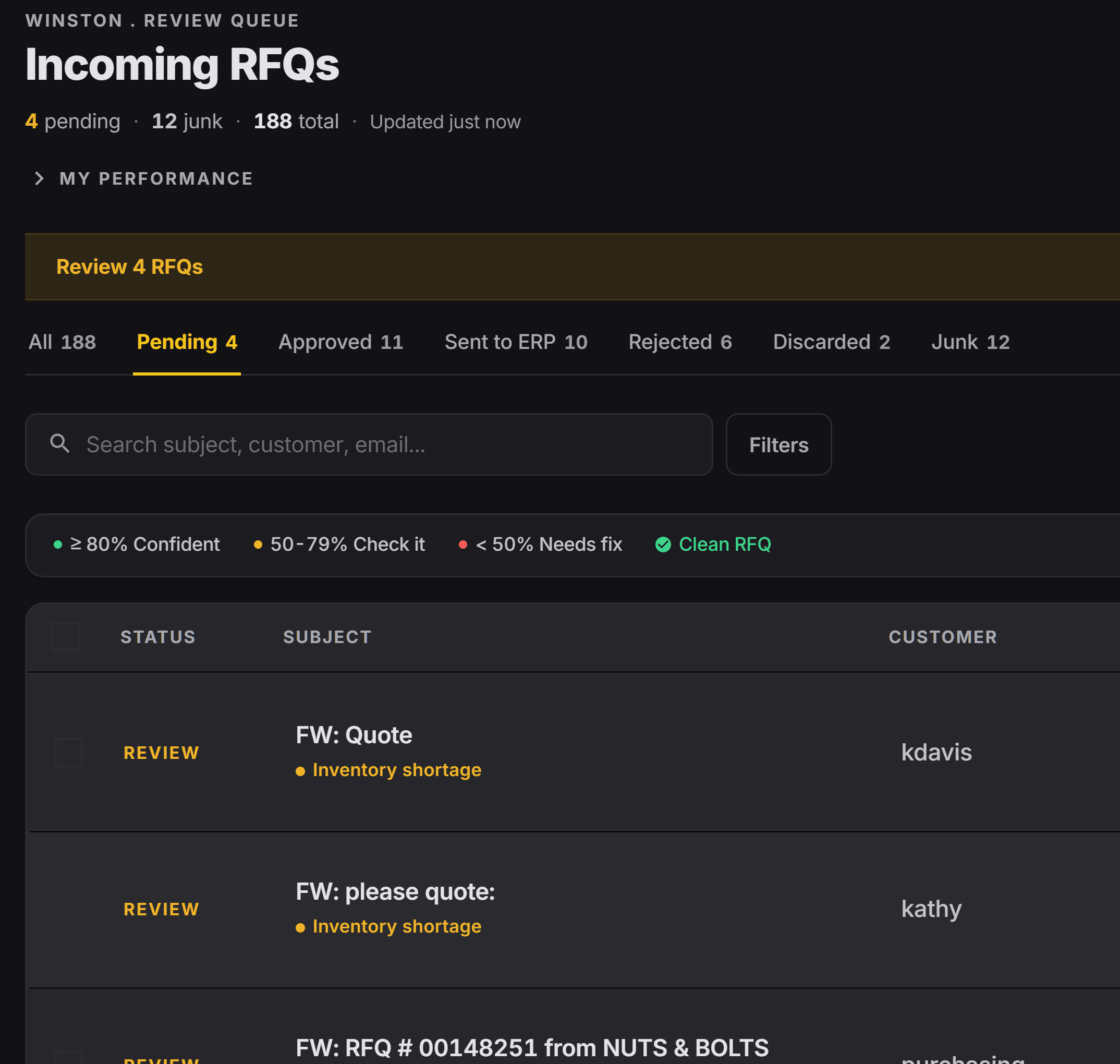
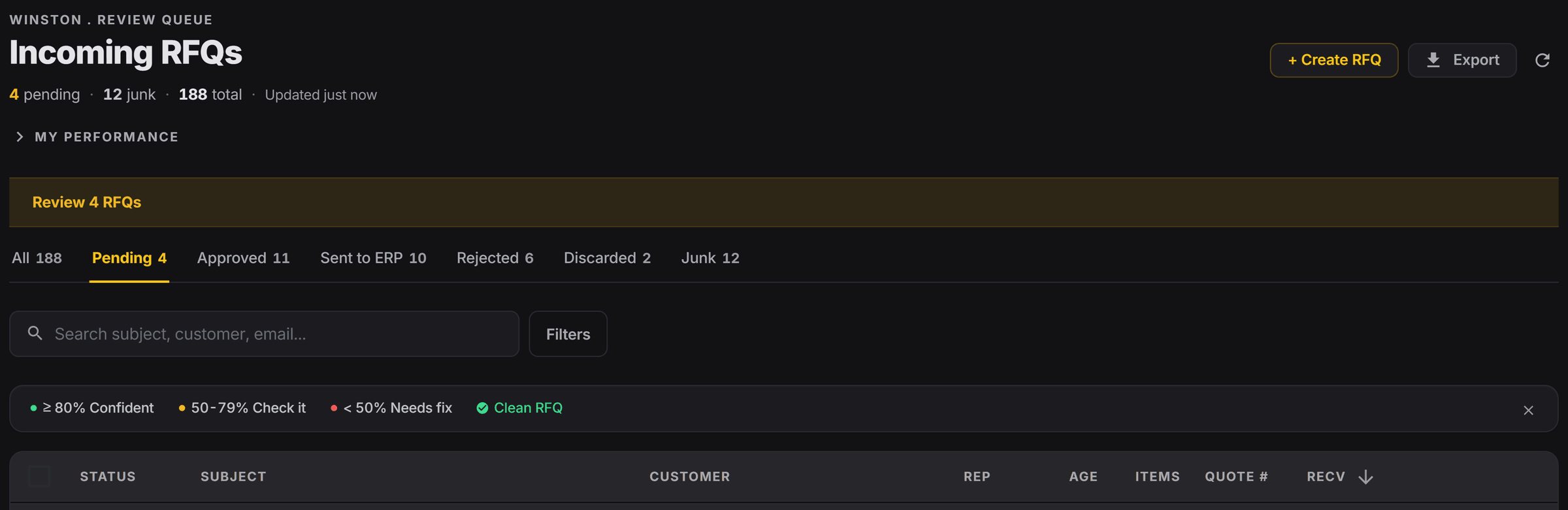
    Same sales team, three times the RFQs out the door. The agent reads, parses, prices, and drafts. They click send.

    Distribution · 4,000 SKUs
  2. Feb
    47found

    Hidden forwarding rules surfaced in a single sweep. One had been quietly mailing every CFO message offsite for nearly a year.

    Financial services · 217 mailboxes
  3. Jan
    $100Ksaved

    Project closed weeks early. The agent watched the permit portal hourly, drafted every response, and missed nothing.

    Real estate · Miami-Dade
  4. Dec
    30 minTTC

    Sunday afternoon, partner's account taken over. Live on a call inside half an hour. Contained inside two.

    Law firm · weekend incident
  5. Nov
    Lvl 1shipped

    CMMC toolkit shipped in weeks, not quarters. Five plain-English policies, an SSP ready to file, no consultant babysitting required.

    Aerospace · ITAR registered
5 engagements · no missed Fridays · names omitted, numbers real

From the desk · 2026 W18

A live page from the day-book. Numbers, not promises.

  • Aerospace · ITAR

    CMMC Level 1 toolkit, five plain-English policies

    78%
  • Distribution

    RFQ parser learning a thousand misspelled supplier names

    92%
  • Real Estate

    Permit-watch agent across four entitlements

    44%

Eighteen Fridays in a row with something running in production. The cadence is the product.

+267% YTD
  • Forwarding-rule sweep · 217 mailboxes audited and closedAudit
  • Quote portal v2 with tracked-link telemetry deployed liveFeature
  • Permit-comment classifier hitting 94% precision in prodModel
  • Sunday-incident IR runbook signed by GC and rolled outDoc

A forwarding rule had been quietly mailing every CFO message offsite for nearly a year.

Caught in a metadata-only sweep across 217 mailboxes. Closed the same hour. The auditor will not need to know.

The desk runs at one or two engagements at a time, by design. Names are omitted. Numbers are not. Anything you read here was shipping the day this page rendered.

Read what shipped before

The three lanes

Three things I do. One operator running them all.

Most engagements braid two of these together. A distributor gets the RFQ agent and the email security review. A real-estate developer gets the permit watcher and the SOC 2 scaffolding. Pick the one that hurts most. The rest comes up naturally on the call.

Engagement file · Nº 04W26

An agent that reads thepermit portal so wellthe team forgot it existed.

The math was bad. Six entitlements in flight, four reviewers each, comments dropping in at random hours of the day. A project manager was opening the portal twenty-three times a shift. The schedule was slipping anyway.

We did not start with a model. We started with a clipboard. Two days of sitting next to the team, watching what they actually did with each comment. Out of about three hundred responses we read together, four templates covered ninety percent of the work. The other ten percent was where the judgment lived. That ratio became the architecture of the agent: classify, draft from a template, hand the rest to a human with three suggested replies and the relevant code cited.

The system that runs in production is dull on purpose. A scheduled scrape, a small classifier we fine-tuned on the developer's prior responses, a templated drafter, and a simple Slack queue for the cases that need a person. No platform, no orchestration framework, no proprietary model. The whole thing fits on a page of architecture.

Eight weeks in, two of the six projects on the watchlist closed ahead of their original schedules. The carrying-cost savings on those alone covered the engagement many times. The PM has not opened the portal directly in two months. The agent has missed zero comments. It still flags the rare weird one for a human, exactly the way we wrote it to.

We stopped opening the portal. The agent told us when something needed our attention. That was the whole product.

Operations lead, the developer's side
$104K
Saved on carrying cost
8 wk
From kickoff to live
0
Comments missed since
SOURCEPermit portalAGENTWatcherClassifierDrafterBrieferQueueHOURLY+94% precision7AM BRIEFTeam emailAPPROVALSlack queueDRAFTSERP / email7PM DIGESTDay summary

Eight weeks. Boring on purpose. Still running.

  • Hourly portal scrape
  • Comment classifier (small)
  • Templated drafter
  • 7am brief · 7pm digest
  • Slack approval queue
  • Plain-English runbook

About 2,100 lines. No framework. No vendor lock-in.

The Bulletin

Three short notes, filed from the desk this quarter.

Things I keep noticing, written down before I forget. The full versions go out by email four times a year. The fragments below stand on their own.

On AI agents

The agents that work are the ones that look the most boring.

Every team I have helped wanted to start with the model. We started with the clipboard. Two days of watching what people actually did, broken into the fewest reusable steps, then a small classifier and a templated drafter. That is most of it. The fancy ideas come later, if at all. Almost every production agent I have shipped reads more like a 1995 batch script than a 2026 demo.

Field note · 2026 W17

On email security

Forwarding rules are the closest thing to a smoking gun.

A surprising amount of harm passes through a single setting that nobody reviews: the rule that quietly mails copies of incoming messages to an outside address. We have found one in roughly one of every four mailboxes we have audited at scale. Most were set during a shared account era nobody remembers. The fix is forty-five minutes and a runbook. The damage from leaving it alone runs into millions.

Field note · 2026 W14

On scope

Most rooms ask for the wrong size of help.

The teams that need an army usually think they need a contractor. The teams that need one careful pair of hands usually think they need a platform. The first call I take is mostly about figuring out which of those it is. Twice this year I have told a buyer to hire a full-time engineer instead. They wrote back to thank me, and one of them sent a referral six months later. Calibration is the work.

Field note · 2026 W11

The next dispatch lands in June. Three more notes, same shape.

Subscribe to Field Notes →

Three axioms

The shape of the work, in three lines.

Not invented. Earned. Six years of incident response taught me to trust evidence over opinions and to ship on Friday whether I felt ready or not. The rest of this page is footnotes.

I

The fix is small. Almost always.

A team is rarely slow because of a missing platform. A team is slow because two or three things are quietly broken. Find them, name them, close them. The architecture conversation can wait, sometimes forever. I have never had to give the money back when the small fix was the right fix.

II

Working software, every Friday.

A deck describes the future. Software is the future. The cadence is weekly, on production, on your data. If we cannot ship by Friday, we are working on the wrong thing, and you will hear it from me before you hear it from your team. The promise is the calendar.

III

The exit ramp is built in week one.

By the last Friday of an engagement you hold the source code, the decisions log, the alerting, the model and prompt cards, and a one-page architecture. The work keeps running whether I stay or not. About two-thirds of clients keep me on a quarterly retainer. About a third do not. Both routes have worked for them, and both leave the keys on the table.

N. Papadam

The cadence of an engagement

Four steps, four to twelve weeks. No surprises after the scope.

The shape is the same whether the work is an AI agent or a CMMC toolkit. Long enough to ship something real. Short enough that you do not forget why you started.

01

An hour on the phone, with no NDA

Send the paragraph. We pick a time. You walk me through what is breaking or what you are trying to ship, plain language, no preamble. I tell you whether I can help, what scope I would recommend, and which other person I would call if it is not me. No discovery deck, no sales engineer, no follow-up survey.

Free. Booked within a week of you reaching out.

02

A written scope by Friday

By Friday of week one, you have a real document. One page of scope, a flat fee, a date the work goes live, and the names of the things I will not do. You sign it or you do not. If you do not, I have not wasted a Tuesday and neither have you. The document does not change after you sign it.

Flat fee, paid in two installments. No retainer required.

03

Working software every Friday after

The build sprint runs four to twelve weeks depending on the scope. Each Friday you see something running on your data, on your stack, with your edge cases. If a Friday goes sideways, you hear it from me by Wednesday. You have my cell phone the whole time. There is no junior staffed under me to learn on your dollar.

Slack, email, or text. Same operator. No analyst stack.

04

A clean hand-off, then optional retainer

On the last Friday, you get runbooks, source code, the model cards and prompts, the decisions log, and a one-page architecture. You could replace me on the spot and lose nothing. About two-thirds of clients keep me on retainer for a quarter. About a third do not. Both are fine.

Optional retainer at month-three. Cancellable any month.

Nicholas Papadam, founder of Papa Corporation
Nicholas PapadamFounder · Miami, FL
6+
years in IR
7
industries
1
operator

A short note from the founder

I started this practice because most consulting is theater.

I sat through enough rooms to recognize the pattern. A six-month assessment that lands on three findings the team already knew about. An AI demo that never makes it past the proof-of-concept conference room. A dashboard somebody opens twice and forgets. The bill arrives anyway, billed by the hour, by the head, and by the slide.

What actually moves a business is finding the two or three things most likely to break it, and closing them out. The fix is sometimes a security control. Sometimes an agent that does the work three of your people are doing now. Sometimes smaller than you expected. Whatever works. I do not have a preferred answer in mind before the call.

I came up in enterprise incident response, the kind where getting it wrong means somebody loses a business. Six years of that taught me to trust evidence over opinions and to ship on Friday whether or not I felt ready. I now do that work, plus AI engineering and automation, for lean teams in the industries below.

If you have read this far and you still think we should talk, you are probably right.

Industries shipped to

  • Aerospace & Defense·
  • Distribution·
  • Financial Services·
  • Healthcare·
  • Hospitality·
  • Law·
  • Real Estate

Questions, asked plainly

The questions buyers actually ask. Answered the way I answer them on the call.

If your question is not below, write the paragraph. I read every one. I reply by Friday.

Q.01

What does an engagement actually cost?

A.

Most scopes land between fifteen and seventy thousand dollars, flat fee, paid in two installments. The first hour is free. The first week is on me. If we agree on the scope, the number on the page does not change.

Range, not menu
Q.02

When should I hire a full team instead of one operator?

A.

When the work runs longer than a year, when it needs three or more people in different time zones at once, or when the political surface area requires a director with a pager. I will tell you which of these you are looking at on the first call. I have turned away more work than I have taken.

Honest about the limits
Q.03

How is this different from a typical consultant?

A.

A consultant writes a deck. I write code. The deliverable is software, runbooks, and a hand-off, not a hundred-slide PDF. There is no engagement letter that bills you for time you cannot point at.

Software is the deliverable
Q.04

Can I see the work before I sign?

A.

Yes. The first week is structured as a paid-equivalent pilot, no charge to you. By Friday you have either a working spike or a written scope you can hand to anyone. You decide whether to keep going.

Friday-of-week-one rule
Q.05

Do you handle our data on your machines?

A.

Only with your written approval, and only what is needed for the scope. Everything is encrypted at rest and in transit. I prefer working in your environment when the policy allows it. After hand-off, your data leaves my disks within thirty days.

Read the privacy page
Q.06

What can you not do?

A.

I do not do design systems, branding, marketing analytics, or front-end work that lives mostly in CSS. I do not do mobile apps. I do not do month-long discovery before writing a line of code. If you need any of those, I know who to call.

Said plainly

If the question is “am I sure I want to do this,” write the paragraph anyway. Half the time the answer is no, and I will tell you on the call.

Ask me directly →

Field Notes, the journal

Four issues a year. No filler, no funnel.

One short letter every quarter. The two or three things I shipped that I would do again, the one I would not, and the playbook underneath. No tracking pixels, no “sponsored by,” no paid course at the end.

  • March · Field-tested AI patterns
  • June · Email security debrief
  • September · Automation playbooks

One unsubscribe link per email, every email. No tracking pixels. I read every reply.

If you have read this far

Send me one paragraph about what is breaking, or what you are trying to ship.

Plain language. No NDA gymnastics. By Friday I will have read it and replied with whether I can help, what the scope likely looks like, and a number you can plan against. If the answer is no, I will say so on the same email and tell you who I would call instead.

Write the paragraph
Or email nicholas@papacorporation.com directly. Same inbox, same person, same answer.
Reply by
Friday
First week
On the house
First call
One hour